_(51048330138).jpg?width=1600)
🎙️ 'היי, את שומעת אותי?' איך עוזרים קוליים מבינים מה אמרתם
"Hey, Can You Hear Me?" How Voice Assistants Understand What You Say
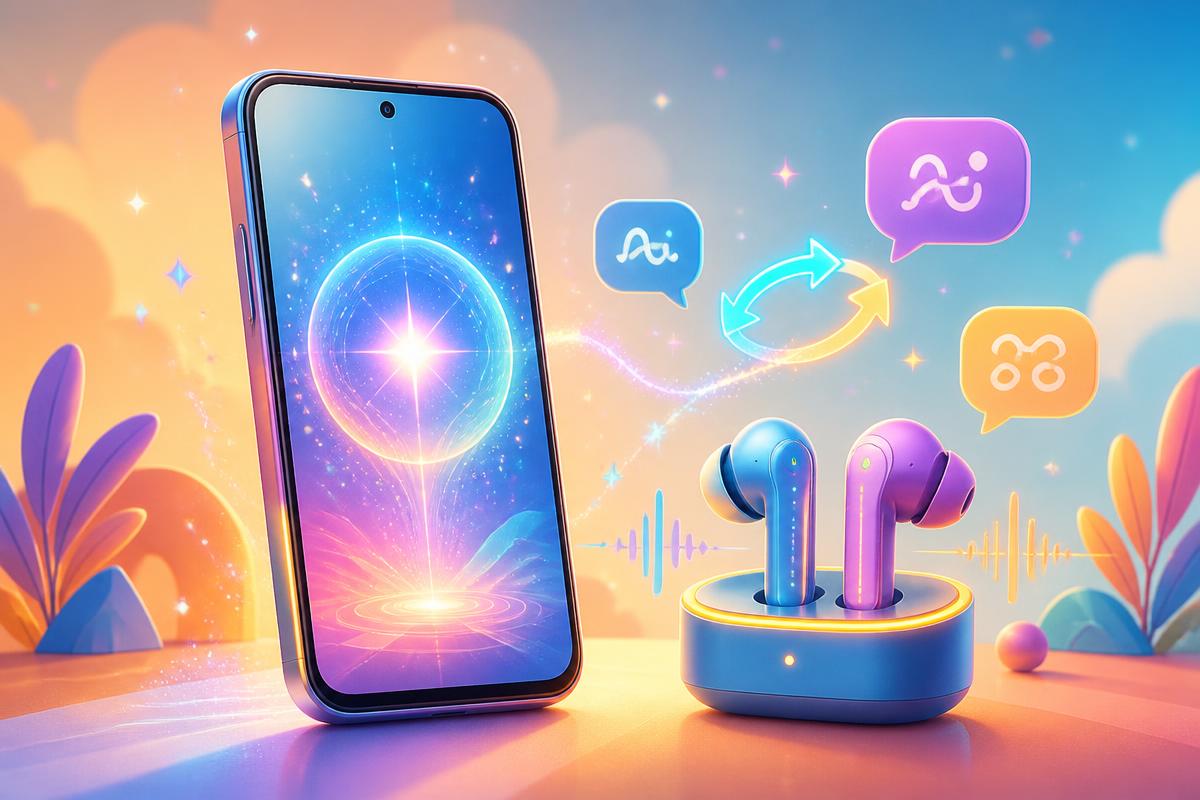
כשאתם אומרים בקול "מה מזג האוויר מחר?" לרמקול חכם או לטלפון, ותוך שנייה או שתיים אתם מקבלים תשובה מדוברת - קורה שם, מאחורי הקלעים, תהליך מרתק בן כמה שלבים. השלב הראשון נקרא זיהוי דיבור (speech recognition). המכשיר "מקשיב" למילים שאמרתם ומנסה להפוך אותן לטקסט כתוב, בדיוק כמו שמישהו היה מקליד את מה שאמרתם. זה לא פשוט כמו שזה נשמע - אנשים מדברים במבטאים שונים, במהירויות שונות, ולפעמים יש רעש רקע. המערכת למדה מכמויות ענקיות של הקלטות קוליות איך לזהות מילים גם בתנאים לא מושלמים. השלב השני הוא הבנת הכוונה. אחרי שהמשפט הפך לטקסט, המערכת צריכה "להבין" מה בעצם ביקשתם. השאלה "מה מזג האוויר מחר?" צריכה להיות מזוהה כבקשה למידע על תחזית, לא כבקשה לנגן שיר. המערכת מחפשת מילות מפתח ומבנה משפט כדי לנחש את הכוונה הנכונה, ואז פונה למקור המידע המתאים - למשל אתר תחזית מזג אוויר. השלב השלישי הוא יצירת תשובה קולית - הפיכת הטקסט של התשובה בחזרה לקול טבעי שנשמע כמעט כמו בן אדם. זה נקרא סינתזת דיבור, וגם כאן המערכת למדה מהקלטות של קולות אמיתיים איך להגות מילים בצורה טבעית, עם הטעמות נכונות. חשוב לזכור: עוזר קולי לא באמת "מבין" כמו בן אדם - הוא מזהה דפוסים ומתאים תשובות, ולפעמים הוא טועה, לא שומע טוב, או מפרש דברים לא נכון. זו הסיבה שלפעמים צריך לחזור על הבקשה, או לנסח אותה אחרת.
המסע של השאלה שלכם
English
When you say out loud, "What's the weather like tomorrow?" to a smart speaker or your phone, and a second or two later a spoken answer comes back — a fascinating multi-step process is happening behind the scenes. The first step is called speech recognition. The device "listens" to the words you said and tries to turn them into written text, the same way someone typing along would. This is trickier than it sounds — people speak with different accents, at different speeds, and sometimes there's background noise. The system learned from enormous numbers of recorded voices how to recognize words even when conditions aren't perfect. The second step is understanding intent. Once your sentence has become text, the system has to figure out what you actually want. "What's the weather like tomorrow?" needs to be recognized as a request for a forecast, not a request to play a song. The system looks for keywords and sentence structure to guess the right intent, then goes to fetch the right kind of information — like a weather forecast source. The third step is generating a spoken answer — turning the text of the reply back into a voice that sounds almost human. This is called speech synthesis, and here too the system learned from recordings of real voices how to pronounce words naturally, with the right rhythm and emphasis. Here's the important part to remember: a voice assistant doesn't truly "understand" the way a person does — it recognizes patterns and matches them to responses, and sometimes it gets things wrong, mishears you, or misinterprets what you meant. That's exactly why you sometimes have to repeat yourself or phrase things differently.