
📇 איך פותחים חשבון בנק ראשון?
How Do You Open Your First Bank Account?
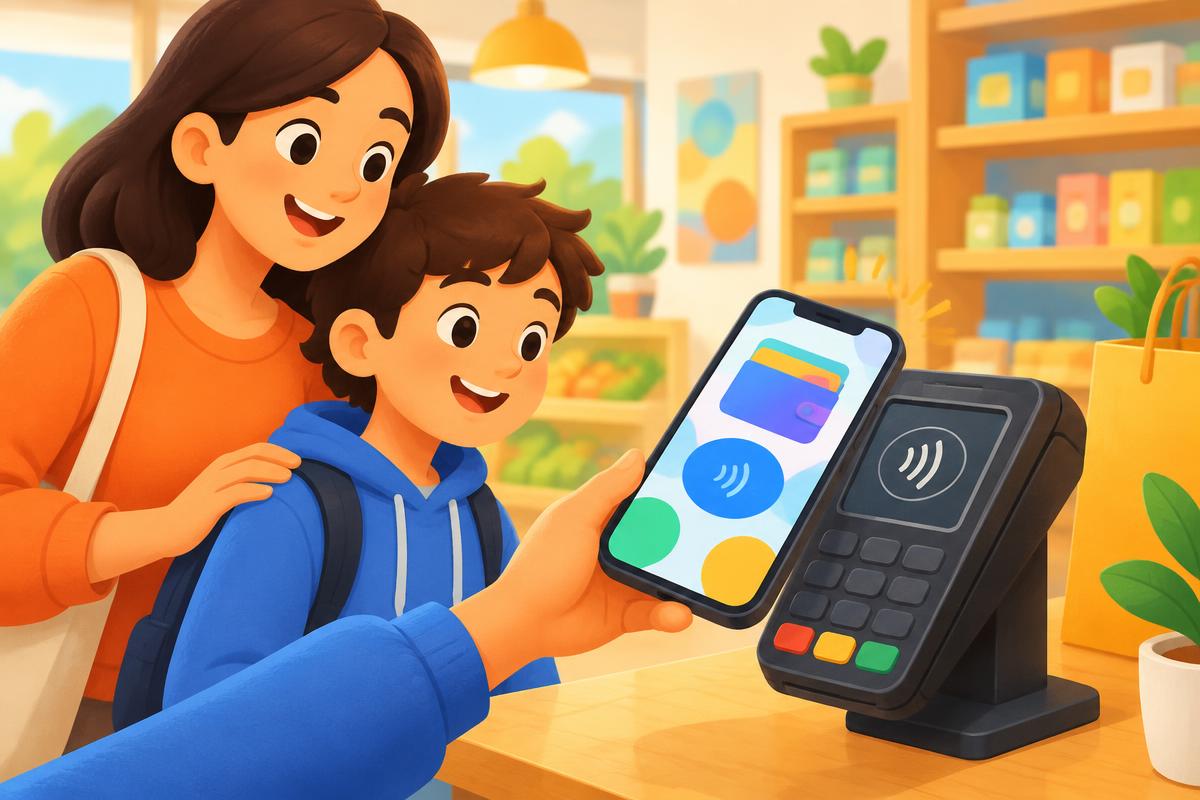
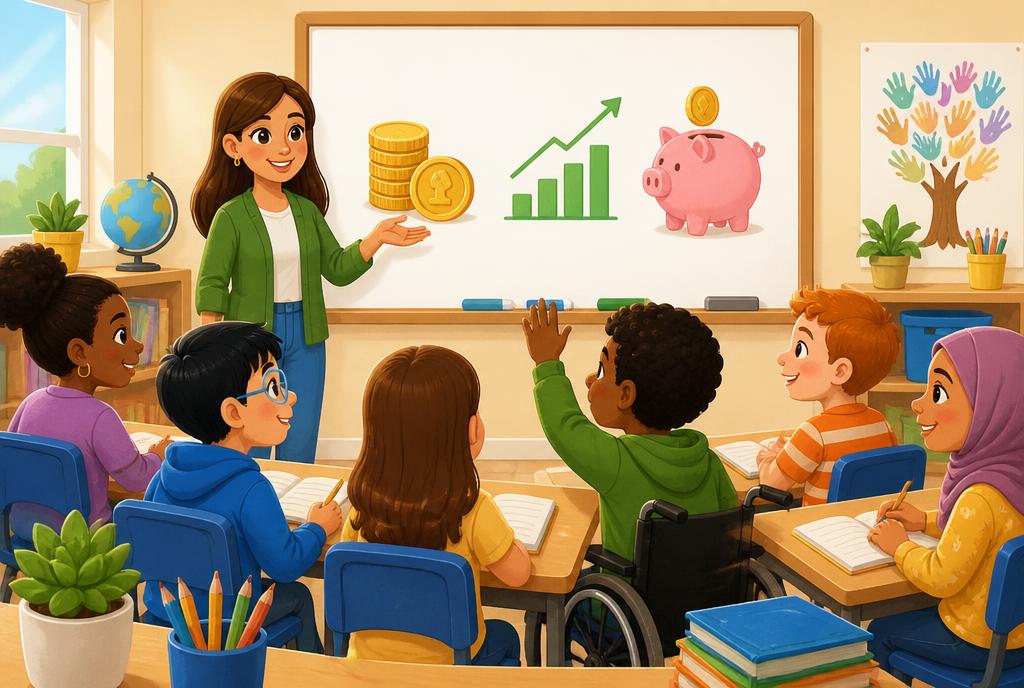
כל ילד ברגע מסוים מגיע לשלב שבו יש לו כסף משלו - מתנות יום הולדת, דמי כיס, אולי אפילו משכורת ראשונה מעבודה קטנה - וההורים מציעים: "בוא נפתח לך חשבון בנק". זה מרגש, אבל גם קצת מבלבל. מה זה בעצם אומר? ברוב הבנקים בישראל, ילד מתחת לגיל 18 לא יכול לפתוח חשבון לבד - צריך הורה או אפוטרופוס שיהיה "שותף" לחשבון, כלומר חתום יחד עם הילד. זה נקרא לפעמים "חשבון קטין". כדי לפתוח כזה חשבון צריך בדרך כלל: תעודת זהות של ההורה, תעודת לידה או ספח של הילד, ולפעמים גם להגיע יחד לסניף הבנק לפגישה קצרה. חשוב להבין את ההבדל בין "חשבון" לבין "כרטיס חיוב". החשבון הוא כמו תיבה דיגיטלית שבה שומרים את הכסף - אפשר להפקיד אליו, למשוך ממנו, ולראות תנועות. כרטיס חיוב (debit card) הוא כלי שמאפשר לשלם ישירות מהכסף שכבר יש בחשבון - בניגוד לכרטיס אשראי, אי אפשר להוציא יותר ממה שיש. הרבה בנקים מציעים לילדים ולבני נוער כרטיסי חיוב מיוחדים, לפעמים עם אפליקציה נלווית שההורים יכולים לעקוב אחריה. לחשבון של ילד יש בדרך כלל הגבלות: תקרת הוצאה יומית, אי אפשר למשוך סכומים גדולים בלי אישור הורה, ולפעמים יש הגבלה על קניות מסוימות באינטרנט. זה לא "עונש" - זה בטיחות, בדיוק כמו שיש חגורת בטיחות ברכב. פתיחת חשבון ראשון היא צעד קטן אבל משמעותי לעצמאות כלכלית - זה המקום שבו מתחילים ללמוד לנהל כסף אמיתי, לעקוב אחרי הוצאות, ולראות איך חיסכון קטן גדל עם הזמן.
חשבון בנק לילדים
English
At some point, every kid ends up with money of their own - birthday gifts, allowance, maybe even their first paycheck from a small job - and a parent says, "Let's open you a bank account." It's exciting, but also a little confusing. What does that actually mean? At most banks, a kid under 18 can't open an account completely alone - a parent or guardian usually needs to be a "joint holder," meaning they sign onto the account together with the child. This is often called a "minor's account." To open one, you typically need: the parent's ID, the child's birth certificate or ID document, and sometimes a short visit together to a bank branch. It helps to understand the difference between an "account" and a "debit card." The account is like a digital box where your money lives - you can deposit into it, withdraw from it, and see a full history of what happened. A debit card is a tool that lets you pay directly using money that's already in your account - unlike a credit card, you can't spend more than what's actually there. Many banks offer special debit cards for kids and teens, sometimes paired with an app parents can use to keep an eye on activity. A kid's account usually comes with limits: a daily spending cap, a rule that larger withdrawals need a parent's approval, and sometimes restrictions on certain online purchases. That's not a punishment - it's more like a seatbelt in a car, there to keep things safe while you're still learning. Opening your first account is a small but meaningful step toward financial independence. It's the place where you start managing real money, tracking what comes in and out, and watching small savings grow bigger over time.