_Royce_Fontenot_releasing_a_weather_balloon_(44331527151).jpg?width=1600)
⛅ יום בחיים של חזאי מזג אוויר
A Day in the Life of a Weather Forecaster
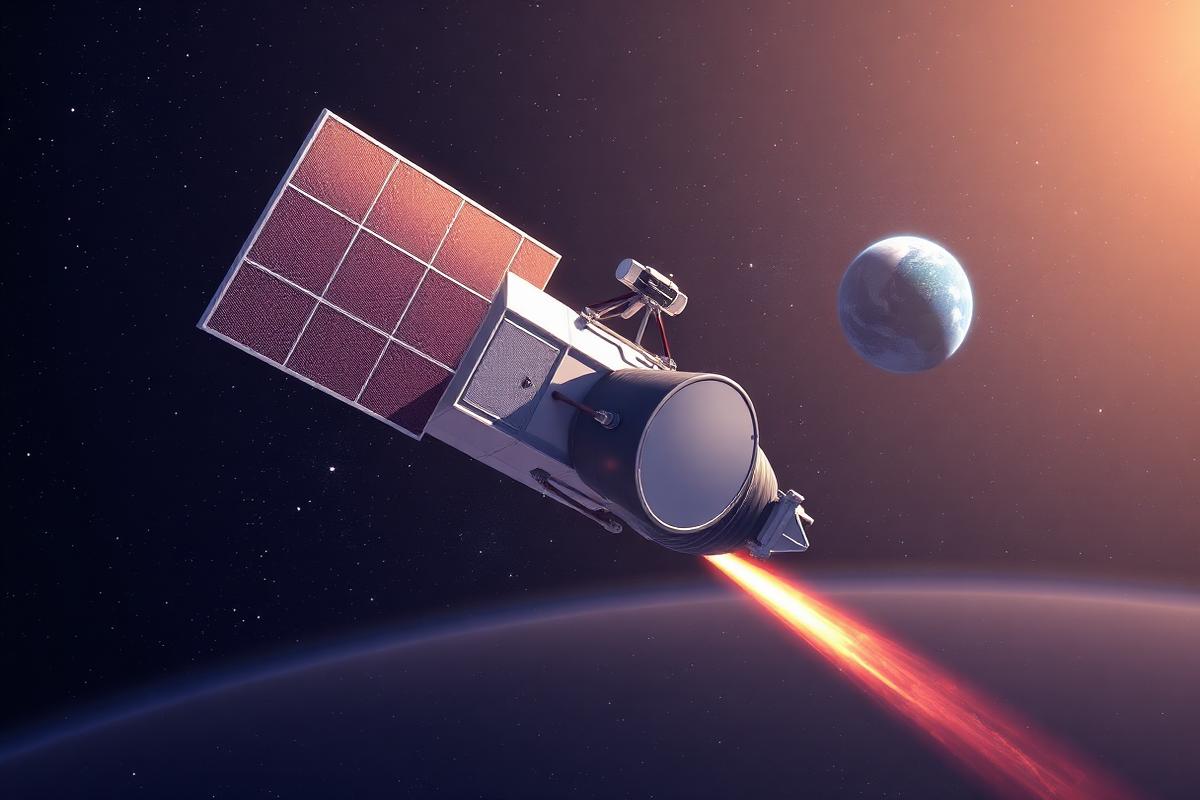
בזמן שרוב האנשים ישנים, לוויינים שמסתובבים סביב כדור הארץ כבר מצלמים את העננים, ובלונים ענקיים ממולאים גז מתרוממים לגובה של יותר מ-30 קילומטרים כדי למדוד טמפרטורה, לחות ורוח. כל זה קורה כדי שהחזאי יוכל להגיד לנו מחר אם כדאי לקחת מטרייה. תפקידו של חזאי מזג אוויר הרבה יותר מורכב ממה שנראה בטלוויזיה. במרכזי תחזית ברחבי העולם, מחשבי-על עוצמתיים מריצים מודלים מתמטיים ענקיים שמנסים לחשב מה יקרה באטמוספירה בשעות ובימים הקרובים, על סמך מיליוני נתונים שמגיעים בו-זמנית מלוויינים, בלונים, תחנות קרקע ואפילו ממטוסי נוסעים. החזאי לוקח את כל התוצאות האלה, משווה בין כמה מודלים שונים, ומוסיף את הניסיון והידע שלו כדי להחליט מה הכי סביר שיקרה. אז למה תחזיות לפעמים טועות? האטמוספירה היא מערכת כאוטית - שינוי קטנטן בטמפרטורה במקום אחד יכול להשפיע בצורה גדולה על מה שקורה במקום רחוק, ימים אחר כך. מדענים קוראים לזה "אפקט הפרפר". לכן ככל שהתחזית רחוקה יותר בזמן, כך היא פחות מדויקת - תחזית למחר בדרך כלל הרבה יותר אמינה מתחזית לעוד שבוע. ולמרות הקושי, התחזיות של היום מדויקות בהרבה מאשר לפני עשרים שנה, בזכות לוויינים חדשים ומחשבים מהירים יותר. חזאים גם עוזרים להציל חיים ממש, כשהם מזהירים מראש מפני סופות, שיטפונות או גלי חום מסוכנים.
English
While most people are still asleep, satellites circling Earth are already snapping photos of clouds, and giant gas-filled balloons are rising more than 30 kilometers into the sky to measure temperature, humidity, and wind. All of this happens so a forecaster can tell us tomorrow whether we'll need an umbrella. Being a weather forecaster is a lot more complicated than it looks on TV. At forecasting centers around the world, powerful supercomputers run enormous mathematical models that try to calculate what the atmosphere will do in the coming hours and days, based on millions of measurements arriving at once from satellites, balloons, ground stations, and even passenger airplanes. The forecaster takes all of these results, compares several different models against each other, and adds their own experience and judgment to decide what's most likely to happen. So why do forecasts sometimes turn out wrong? The atmosphere is a chaotic system — a tiny change in temperature in one place can end up having a huge effect somewhere far away, days later. Scientists call this the "butterfly effect." That's why forecasts get less accurate the further out they look; tomorrow's forecast is usually much more reliable than next week's. Even so, today's forecasts are far more accurate than they were twenty years ago, thanks to better satellites and faster computers. Forecasters also genuinely help save lives, by warning people ahead of time about dangerous storms, floods, or heat waves headed their way.